Microneedling · 3 min read
How Long Should Microneedling Take to Heal?
If your skin still looks raw a week after microneedling, something about the depth, the technique or the aftercare is worth a second look. Here is what normal healing actually looks like.

The normal timeline
For standard medical microneedling, most people look pink, like a mild sunburn, for one to three days. Mild dryness or light flaking can follow for a few more days. Makeup is usually back on by day two, and most people are comfortable returning to work the next day if they do not mind a little colour.
Deeper treatments over scarred areas can mean a little more redness and swelling, but even then, the skin should be clearly improving every day. Raw, weeping or crusted skin for a week or more is not the expected course for routine microneedling.
What stretches recovery out
When healing takes far longer than expected, it usually comes back to one of these:
- Very deep settings used across the whole face, including thin areas that did not need it.
- Too many passes, or a pen that was pressed and dragged rather than gliding.
- Irritating products applied to the skin while the channels were open, during or after treatment.
- Early return to retinoids, acids or scrubs.
- Sun exposure, heat and heavy sweating in the first days.
- An infection or a skin reaction that started after treatment.
If your skin is getting worse instead of better after the third day, or you have increasing pain, swelling, pus or yellow crusting, contact a physician. Our article on red versus bloody after microneedling explains what is normal and what is not.
Deeper is not always better
It is tempting to believe that more downtime means more results. Collagen remodelling does not work that way. The skin rebuilds in response to a controlled injury, and the right amount of injury for a given area produces a better response than an overwhelming one. Excessive depth raises the risk of prolonged redness, pigment changes and marks without a proportional benefit.
For most concerns, a series of sessions at appropriate depths, spaced several weeks apart, does more than a single aggressive session with a long recovery. It is also far easier to live with.
Planning for acne scars
Acne scars are not all the same. Broad, rolling scars, box-shaped scars with sharp edges, and narrow, deep ice pick scars respond differently to treatment. Microneedling tends to help rolling and shallower box scars over a series of sessions. Deeper and narrower scars may need additional or different treatments, and some will only partly improve.
A good plan starts by identifying which types you have, how active your acne still is, and how your skin tends to heal and pigment. That shapes the number of sessions, the depth in each area, and whether another approach, such as RF microneedling, should be part of the plan. Our comparison of Morpheus8 and SkinPen explains the difference.
When results show up
The skin often looks brighter within a week or two. The structural change, softer scars and smoother texture, builds over the following months as new collagen matures. Judge results a few months after your final session rather than days after the first.
Common questions
Is nine days of downtime normal after microneedling?
Not for standard microneedling. Most people are pink for one to three days. If you are still raw after a week, have it assessed.
When will I see results?
Gradually over weeks to months as collagen rebuilds. Most scar concerns need a series of sessions.
Can microneedling treat all acne scars?
Not all types respond equally. An assessment identifies your scar types and sets realistic expectations.
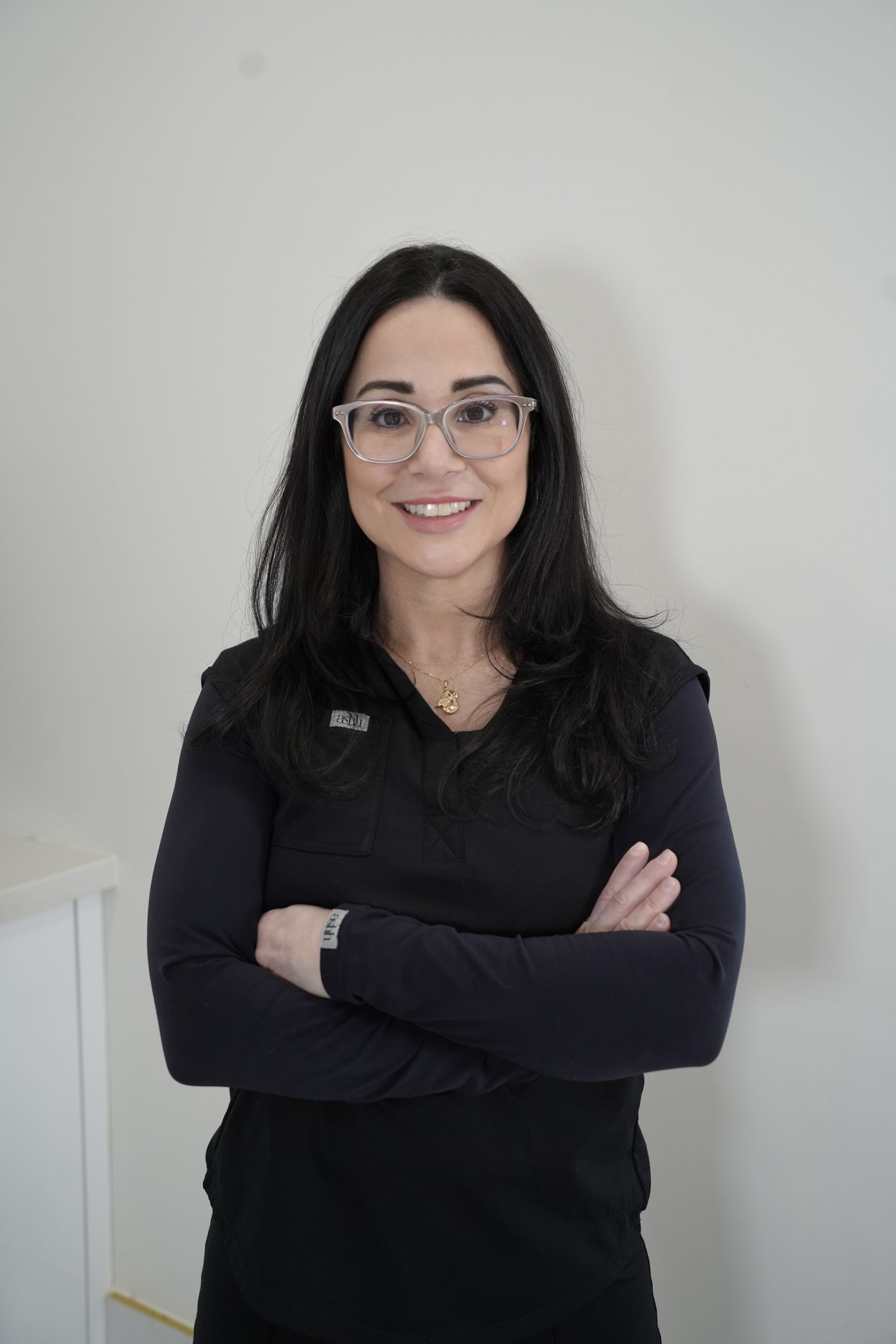
Dr. Mazzuca is a licensed physician practising medical aesthetics in Markham, Ontario, with additional training in cosmetic medicine, facial anatomy, women's health, and longevity medicine. Every treatment at the clinic is performed by her personally. Her registration can be verified through the College of Physicians and Surgeons of Ontario.
Written and medically reviewed by Dr. Monique Mazzuca, MD, CCFP. Published November 23, 2026.
This article is general information, not medical advice, and it is not a substitute for an in-person assessment. Results vary between patients, and every treatment carries risks that are reviewed with you before you consent. Suitability is determined by Dr. Mazzuca at your consultation.
More from the Journal


